How Can I Reduce Stress and Anxiety? Why Breathing Techniques Actually Work (and How to Do Them Right)
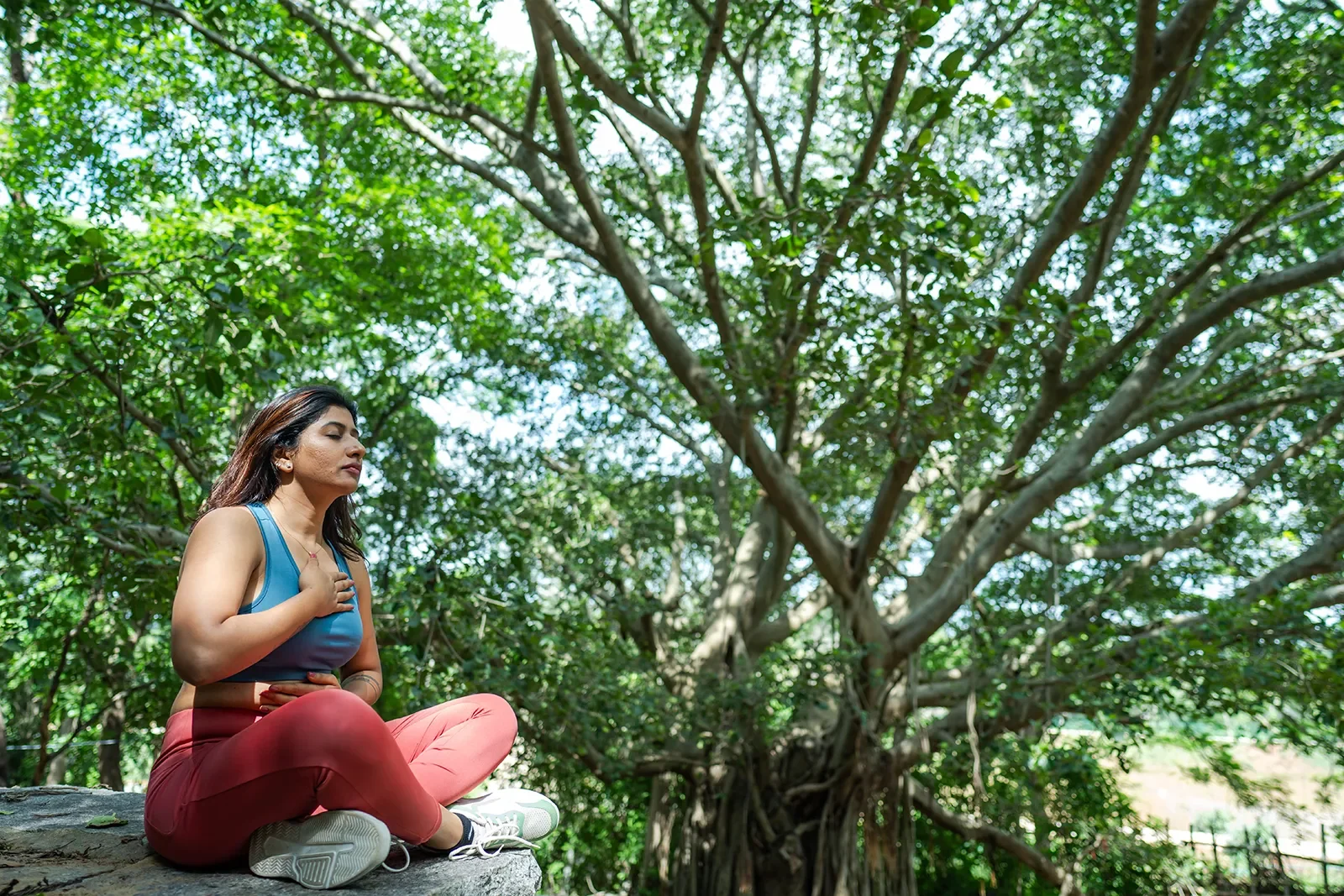
If you've ever been told to "just take a deep breath" while in the middle of a panic spiral or a meltdown-inducing Tuesday, you might have rolled your eyes. It can feel almost insulting — like being handed a Band-Aid for something that feels much bigger than that. I hear this a lot from the women and moms I work with: "I've tried breathing exercises, they don't do anything for me."
Here's the thing: breathing techniques aren't a cure-all, and they're not meant to replace deeper emotional work. But when they're done correctly, they're doing something real and measurable in your body — not just a distraction technique. Let's talk about why they work, and more importantly, how to actually do them in a way that helps.
Key takeaways:
Anxiety is physiological, not just mental — breath is one of the few nervous system functions you can consciously control.
Most breathing exercises "don't work" because of technique, not the method itself — speed, exhale length, and consistency all matter.
The exhale is doing most of the calming work — a short inhale with a rushed exhale won't cue safety to your body.
Small, repeated moments of practice beat one long session; a physiological sigh in the car line counts.
So, how can you reduce stress and anxiety, quickly and for real? The techniques that work fastest are the ones that lengthen your exhale and cue your vagus nerve — extended exhale breathing, box breathing, and the physiological sigh are the three I recommend most. Done correctly, and practiced regularly instead of only reached for in a crisis, they can start shifting your body out of fight-or-flight in a matter of minutes. Here's why they work, and how to do each one right.
Why Does Breathing Help With Anxiety?
Anxiety isn't just a thought pattern — it's a physiological state. When you're anxious, your sympathetic nervous system (your body's "fight, flight, or freeze" response) is activated. Your heart rate increases, your breathing becomes shallow and fast, your muscles tense, and your body starts preparing for danger — even when the "danger" is an overflowing inbox or a toddler having their third meltdown of the day.
Breath is one of the only functions of your nervous system that operates automatically but that you can also consciously control. That's what makes it so powerful. By deliberately slowing and deepening your breath, you send a direct signal to your vagus nerve — a major nerve that helps regulate your nervous system — telling your body: we are safe, we can stand down. This activates your parasympathetic nervous system (the "rest and digest" state), which lowers heart rate, reduces cortisol, and helps your prefrontal cortex — the rational, problem-solving part of your brain — come back online.
This is why, in a moment of high anxiety, you often can't just "think" your way calm. Your thinking brain is temporarily less accessible. Breath is a back door into your nervous system that doesn't require you to talk yourself out of anything first.
Why Didn't Breathing Exercises Work for Me Before?
If breathing exercises haven't helped in the past, it's often not because they don't work — it's because of how they were done. A few common issues:
Breathing too fast. Quick, shallow "deep breaths" can actually mimic hyperventilation and increase anxiety rather than calm it.
Focusing only on the inhale. The exhale is where most of the calming effect happens. A short inhale and rushed exhale won't cue safety to your nervous system.
Doing it once and expecting instant results. One breath rarely shifts an activated nervous system. Consistency and repetition matter.
Trying it only in a crisis. Breathing techniques work best when they're a practiced skill, not something you're learning for the first time in the middle of a panic attack.
How Can I Reduce Stress and Anxiety? 4 Breathing Techniques That Actually Work
Here are a few methods I recommend most often — simple enough to do in a parking lot, during nap time, or while waiting for water to boil.
1. Extended Exhale Breathing
This is the most foundational technique because it directly targets the vagus nerve.
Inhale through your nose for a count of 4
Exhale slowly through your mouth for a count of 6–8
Repeat for 6–10 rounds
The key here is that your exhale should be longer than your inhale. This alone can begin shifting your body out of a stress response within a couple of minutes.
2. Box Breathing
Popular with first responders and the military for good reason — it's simple, easy to remember under stress, and effective.
Inhale for 4 counts
Hold for 4 counts
Exhale for 4 counts
Hold for 4 counts
Repeat for several rounds
This technique is especially helpful when your mind is racing, because counting gives it something concrete to hold onto.
3. Physiological Sigh
Backed by Stanford research on rapid nervous system regulation, this is one of the fastest ways to calm an acute stress spike.
Take a normal inhale through your nose
Then take a second, shorter inhale on top of it (a quick "sip" of air)
Exhale slowly and fully through your mouth
Repeat 1–3 times
This technique can be done discreetly — genuinely useful in a meeting, in the car line, or mid-argument when you need to reset fast.
4. Belly Breathing (Diaphragmatic Breathing)
This retrains your body to breathe from the diaphragm instead of shallow chest breathing, which is common during chronic stress.
Place one hand on your chest and one on your belly
Breathe in slowly through your nose, letting your belly rise (not your chest)
Exhale slowly, feeling your belly fall
Repeat for several minutes
This one is especially helpful to practice daily, even when you're not anxious, so your body builds familiarity with it.
| Technique | Best For | How Fast It Works |
|---|---|---|
| Extended Exhale Breathing | General daily stress, building a foundational skill | A couple of minutes |
| Box Breathing | Racing thoughts, high-pressure moments | A few rounds |
| Physiological Sigh | Acute stress spikes, needing to reset discreetly | Seconds to 1–3 rounds |
| Belly Breathing | Chronic stress, retraining your body's default pattern | Builds over daily practice |
How to Make Breathwork Actually Stick
For moms especially, "add one more wellness practice" can feel like one more task on an already overwhelming list. So here's my honest advice: don't aim for a 20-minute breathing ritual. Aim for tiny, repeatable moments.
Do 3 extended exhales before getting out of the car
Practice box breathing while waiting for coffee to brew
Use the physiological sigh in the moment right before you walk back into a chaotic room
The goal isn't perfection — it's giving your nervous system small, frequent reminders that it's allowed to come down from high alert. Over time, this builds what's sometimes called nervous system flexibility — the ability to move in and out of stress responses more easily, rather than staying stuck in them.
Frequently Asked Questions About Reducing Stress and Anxiety
How can I reduce stress and anxiety quickly?
The physiological sigh is one of the fastest tools available — a double inhale through the nose followed by a slow, full exhale through the mouth. It's also discreet enough to do in a meeting or the car line without anyone noticing.
Why don't breathing exercises work for me?
Usually it's technique, not the method itself. Breathing too fast, cutting the exhale short, or only trying it once in the middle of a panic attack are the most common reasons breathwork doesn't land the way it's supposed to.
What is the best breathing technique for anxiety?
Extended exhale breathing is the most foundational, because it directly targets the vagus nerve. Inhaling for a count of 4 and exhaling for 6–8 is enough to start signaling safety to your nervous system.
How long does it take for breathing techniques to calm anxiety?
Extended exhale breathing can begin shifting your body out of a stress response within a couple of minutes. The more consistently you practice, even outside of anxious moments, the faster and more reliable the effect becomes.
Do I need therapy if breathing techniques aren't enough?
Often, yes. Breathwork is a genuinely powerful supportive tool, but if what you're carrying involves deeper patterns, trauma, or ongoing life stress, it's not designed to do that work on its own — that's where anxiety therapy comes in.
A Gentle Reminder
Breathing techniques are a genuinely powerful tool, but they're not meant to carry the full weight of chronic stress or anxiety on their own — especially if what you're carrying involves deeper patterns, trauma, or ongoing life stressors. Think of breathwork as one supportive piece, not the whole solution.
If you've been trying to white-knuckle your way through anxiety with willpower alone, it might be time to build a toolkit that includes more support — whether that's therapy, community, or simply permission to rest. If grief is part of what you're carrying too, we've also written about grief counseling.
You don't have to have it all figured out to start. You just have to start with one breath.
If you're in the Milwaukee area and ready for more support than breathing alone can offer, Caitlin Walsh Counseling works with women and moms navigating anxiety every day — reach out to schedule a consultation and let's talk about what your toolkit could look like.
📍Milwaukee, WI 🌐 Visit caitlinwalshcounseling.com/anxiety-therapy to learn more and book a free consultation 📱Follow along on Instagram @caitlinwalshcounseling for weekly anxiety support made specifically for women.
This blog post is written for educational purposes and does not constitute medical or therapeutic advice. If you are experiencing significant anxiety, please seek support from a qualified mental health professional.